There are no items in your cart
Add More
Add More
| Item Details | Price | ||
|---|---|---|---|

Practical clinical training for MBBS students, interns & doctors.
Patient se kya poochna hai, kya examine karna hai, kaunsi investigation kab choose karni hai, prescription ko logically kaise structure karna hai aur kab refer karna hai — sab practical, step-by-step aur easy Hinglish mein seekhiye.
For MBBS students, interns, medical officers, residents and general practitioners.
Har topic patient presentation se start hota hai: complaint se history, examination, differential, investigations, treatment, follow-up aur referral tak.
Patient stable hai ya unstable? Sabse pehle kya identify karna hai? Immediate danger sign ya emergency priority kya hai?
Real patient ek single chapter bankar nahi aata. Woh fever ke saath diabetes, breathlessness, abnormal reports, previous medicines aur allergy ke saath aa sakta hai.
Us time sirf definition ya MCQ answer yaad hona enough nahi hota. Doctor ko quickly, lekin safely decide karna hota hai: patient stable hai ya nahi, kaunsi serious condition miss nahi karni, test kab karwana hai aur referral kab zaroori hai.
CPM theory aur real patient care ke beech isi gap ko bridge karta hai.
Real patient textbook pattern mein present nahi hota. Symptoms incomplete, mixed ya atypical ho sakte hain.
Medicine, Pharmacology, Pathology aur Radiology ki knowledge ek saath apply karni padti hai.
History, examination, prescription aur follow-up decisions ko baar-baar practise karne ka equal exposure sabko nahi milta.
MCQ correct option choose karna sikhata hai. Patient care mein right question, red flag aur safe plan choose karna hota hai.
Medicine ka naam yaad hona aur patient-specific dose, duration aur monitoring decide karna alag skills hain.
Safe practice ka matlab har patient ko khud treat karna nahi. Sahi time par refer karna bhi clinical skill hai.
Common complaints: focused history, first-line investigation, safe treatment, counselling aur follow-up.
Admission assessment, daily review, treatment changes, progress notes aur discharge planning.
Red flags, ABCDE approach, initial stabilisation, escalation aur timely referral.
Monitoring, oxygen, fluids, ABG basics, shock aur deteriorating patient recognition.
Indication, preparation, steps, precautions, aftercare aur complications.
Primary-care presentations, limited-resource decisions aur referral pathways.
Safety checklist, consent, peri-procedural care aur post-procedure monitoring.
Clear notes, consent, referral note aur medico-legal safety basics.
Courses specialty, clinical setting aur learning goal ke hisaab se organised hain.
Age, complaint, history, vitals, examination aur reports ke saath clinical scenario.
Clues, red flags, likely diagnoses aur next step ko teacher ke saath connect kijiye.
Investigation, treatment, prescription logic, counselling, follow-up aur referral plan.
Quick quiz, checklist, case summary aur spaced revision.
Long study sessions hamesha possible nahi hote. CPM ka daily learning loop short, focused aur practical hai.
Start with a Free Clinical CaseYeh expected learning journey hai, guaranteed individual outcome nahi. Actual improvement prior knowledge, course completion, clinical exposure, deliberate practice aur supervision par depend karega.
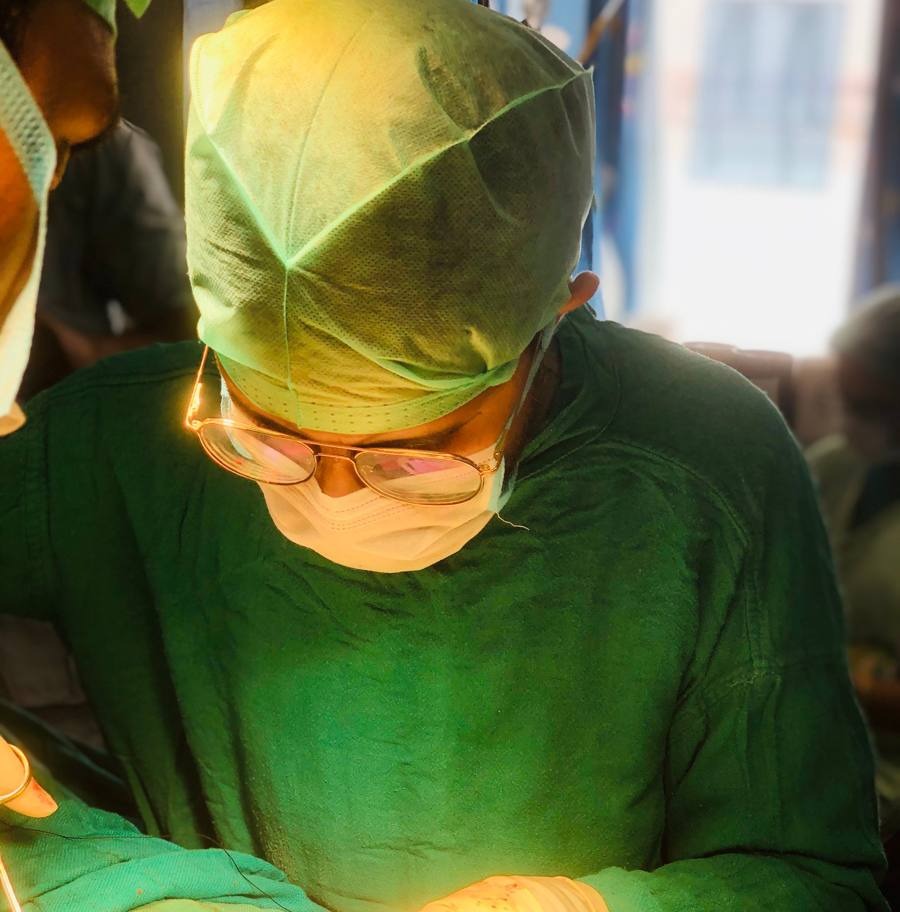
Government Medical Officer & Clinical Educator
Unka teaching approach difficult medical concepts ko simple, memorable aur practical patient-care frameworks mein convert karne par focus karta hai.
Anatomy teaching, Dermatology, Psychiatry & De-addiction, General Surgery, emergency care aur procedural learning ke diverse exposure ke through woh samjhate hain ki real patient saamne ho to information ko kaise organise karna hai.
Meet the FacultyNahi. CPM medical degree, licence ya independent practice ki authority nahi deta. Yeh existing medical knowledge ko organise, revise aur refine karne ka platform hai.
MBBS students, interns, MBBS graduates, medical officers, duty doctors, residents aur general practitioners. Allied-health learners ke liye sirf selected foundational modules.
Nahi. Progress aapki prior knowledge, consistency, clinical exposure aur supervision par depend karta hai.
Inclusions course ke hisaab se alag hote hain, jaise case-based video lessons, notes, decision pathways, prescription sheets aur case quizzes. Exact list har course page par clearly di jayegi.
Dekhiye ki CPM mein ek patient case history se referral plan tak kaise step-by-step solve hota hai.